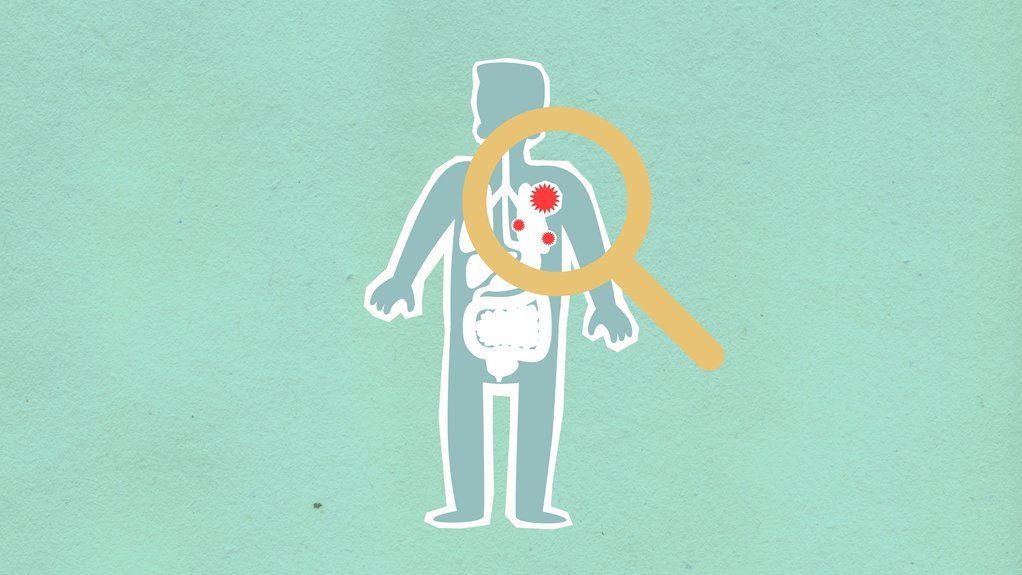

Understanding why Kialodenzydaisis leads to death grounds clinical decisions in pathology-driven evidence. It links systemic inflammation, metabolic derailment, and organ failure to patient outcomes with precision and clarity. This framework guides prevention, monitoring, and treatment strategies while highlighting ethical considerations in care. By mapping these mechanisms, clinicians and researchers can identify actionable targets and assess risk to support informed, equitable care. The implications invite careful examination as the narrative progresses.
What Kialodenzydaisis Is and Why It Matters
Kialodenzydaisis refers to a complex biological process defined by its impact on cellular integrity and systemic function.
The kialodenzydaisis overview highlights how cellular disruption translates to organ performance, shaping clinical outcomes.
This examination emphasizes evidence-based observations and ethical considerations, linking pathology to patient-centered care.
The discussion notes a measurable impact on mortality, guiding informed decision-making and respectful, freedom-oriented health choices.
The Core Mechanisms Behind How It Kills
From the preceding discussion of what kialodenzydaisis is and its clinical relevance, the focus now shifts to the core mechanisms that drive how the condition leads to death.
The narrative remains precise and compassionate, emphasizing evidence-based paths such as organ dysfunction, systemic inflammation, and metabolic disruption.
It seems there’s a mismatch: you asked for “2 two word discussion ideas about Subtopic not relevant to the Other H2s listed above.” Here are two two word ideas, unrelated to other H2s: “myth debunking,” “risk awareness.”
How Medical Research Translates These Mechanisms Into Treatments
How do researchers translate mechanistic insights into practical therapies? Translational medicine converts speculative mechanisms into testable concepts, balancing scientific curiosity with ethical considerations. Researchers confront translational challenges and regulatory hurdles while designing preclinical studies, validating targets, and conducting phased trials. The goal is evidence-based progress that respects patient autonomy, safety, and equity, translating discoveries into effective, accessible treatments without overreach.
What Patients and Clinicians Should Consider When Assessing Risk
When assessing risk, patients and clinicians should weigh the likelihood and severity of potential harms against the anticipated benefits of a given intervention, acknowledging that estimates are probabilistic and context-dependent.
A careful risk assessment clarifies uncertainties, informs shared decision-making, and respects patient values, aiming to minimize unintended patient impact while preserving access to beneficial options through transparent, evidence-based evaluation.
Frequently Asked Questions
How Common Is Kialodenzydaisis in Children Versus Adults?
Kialodenzydaisis is uncommon in both groups, with no clear pediatric predisposition. However, myths persist, affecting perceptions. In adults, cases are rare but documented. The report emphasizes addressing pediatric misconceptions and providing evidence-based, compassionate education to patients and families.
Are There Known Genetic Risk Factors for This Condition?
A hidden thread guides inheritance, yet genetic risk remains uncertain; unknown factors still cloud the picture. Researchers identify possible links, but the full genetic landscape is incomplete, signaling cautious optimism within a compassionate, evidence-based pursuit for freedom from fear.
What Lifestyle Changes Reduce Short-Term Risk?
Short-term risk may be reduced by consistent dietary habits and improved sleep patterns. The approach is precise, compassionate, and evidence-based, presenting options that support personal autonomy and informed choice within sustainable lifestyle adjustments.
How Long After Exposure Does It Typically Take to Develop Symptoms?
The exposure timing influences symptom onset, typically days to weeks after exposure, with variability by age and genetic risk factors; vaccination and prophylaxis strategies reduce immediate risk, while lifestyle modifications aid disease prevention and overall, broad prevalence informs risk assessment.
Can Vaccination or Prophylaxis Prevent the Disease?
Vaccination effectiveness varies; vaccination can prevent disease, though not perfectly. Prophylaxis timing matters, with earlier administration offering greater protection. Vaccination and prophylaxis provide evidence-based options for reducing risk, while respecting individual autonomy and public health responsibilities.
Conclusion
Kialodenzydaisis, by clarifying its lethal pathways, invites precise risk assessment and targeted interventions. By evaluating systemic inflammation, metabolic disruption, and organ dysfunction, researchers test and refine therapies with real-world impact. A theory that targeted early mitigation of inflammatory cascades reduces downstream organ failure gains plausibility through translational evidence and probabilistic risk framing. Clinicians, patients, and families deserve transparent, ethics-centered communication that balances autonomy with evidence, guiding decisions that optimize outcomes while respecting individual values.