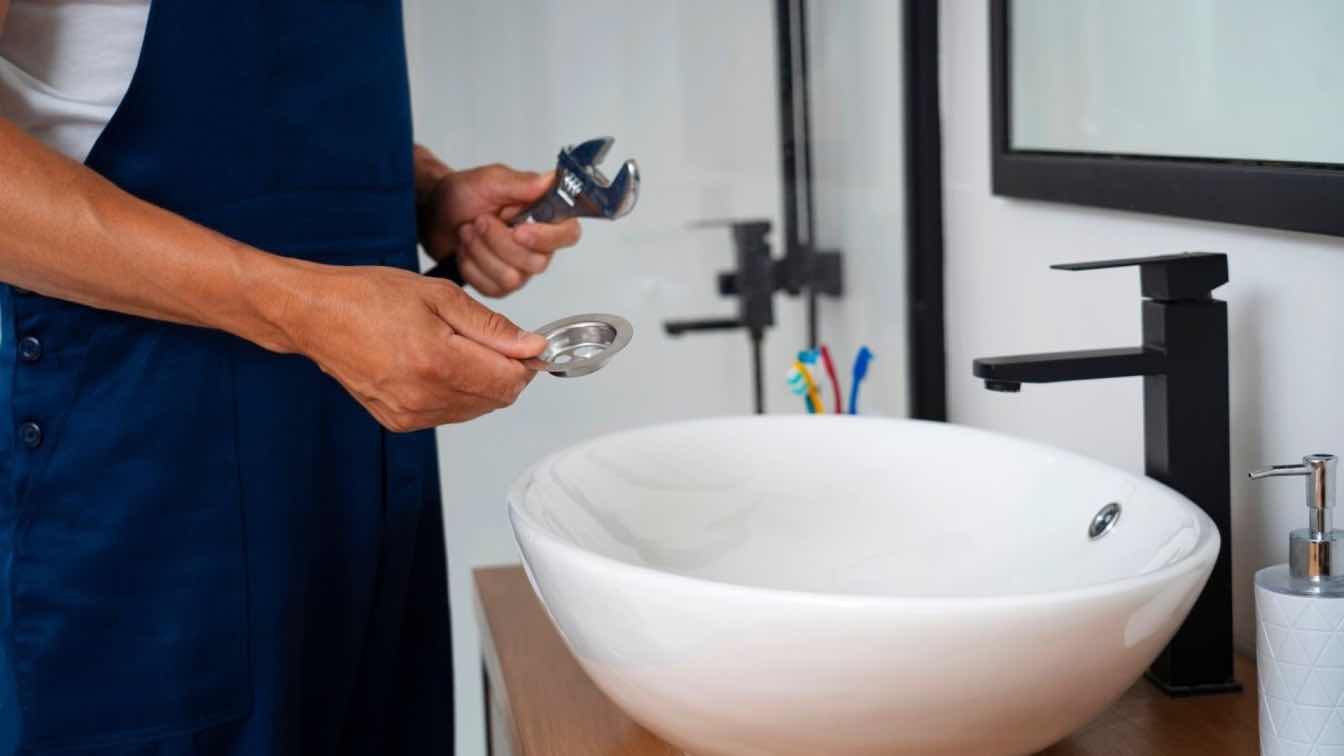

Smart plumbing fixtures combine sensing, control, and connectivity to optimize water use and maintenance. Real-time data from sensor-activated faucets and shutoffs enable rapid fault detection and remote containment. Leak detection, adaptive irrigation, and automated dampers extend efficiency beyond the kitchen and bath. Emphasis on reliability, interoperability, and security preserves autonomy while enabling data-driven decisions. The potential tradeoffs and implementation considerations prompt closer examination as environments evolve.
What Are Smart Plumbing Fixtures and Why They Matter
Smart plumbing fixtures are devices and components integrated with digital sensing, control, or connectivity that enhance water management, monitoring, and user interaction. They enable data-driven optimization, reduce waste, and support maintenance transparency.
From a design perspective, smart design emphasizes reliability and interoperability.
Ethical considerations, or plumbing ethics, address safety, privacy, and equitable access while preserving system integrity and user autonomy.
Sensor-Activated Faucets and Shutoffs: Real-Time Insight and Control
Sensor-activated faucets and shutoffs provide real-time insight into water usage and system status, enabling automatic flow control and rapid fault detection. The approach emphasizes sensor valves and data-driven decisions, supporting real time monitoring and adaptive responses. Remote shutoffs facilitate containment and workflow efficiency, reducing waste while preserving autonomy and security in modern plumbing ecosystems.
Leak Detection and Water-Saving Solutions: Protect Your Home and Budget
Leak detection and water-saving solutions combine continuous monitoring with automated control to minimize loss and optimize usage. The approach leverages smart sensors to detect anomalies, enables water budgeting by forecasting usage, and activates shutoffs or dampers when thresholds are exceeded. Integrated systems support smart irrigation, reducing outdoor waste while maintaining comfort, reliability, and manageable operating costs.
Smart Waste and Irrigation: Efficiency Beyond the Kitchen and Bath
Smart waste management and irrigation systems extend efficiency beyond interior fixtures by integrating automated scheduling, soil moisture sensing, and flow control to minimize waste. These platforms enable intelligent runoff management, adaptive irrigation, and analytics for optimization. Smart irrigation capabilities reduce evaporation losses, while waste sensing detects leaks and overflows. Implementation prioritizes reliability, scalability, and user autonomy, aligning infrastructure with water-conscious design and freedom of operation.
Frequently Asked Questions
How Do Smart Fixtures Integrate With Existing Home Assistants?
Smart fixtures integrate via standardized protocols (Matter, Z-Wave, Zigbee) and cloud APIs, enabling synchronized controls with smart assistants. Retrofit feasibility depends on existing hubs and network infrastructure; compatibility gaps may require bridges or updated firmware for stable smart assistant integration.
What Is the Return on Investment for Smart Plumbing Upgrades?
A five-year-old thermostat story illustrates: smart upgrades typically yield a 10–30% reduction in water and energy usage, approximating a favorable return on investment despite installation considerations such as compatibility, wiring, and professional calibration.
Can Smart Devices Be Retrofitted Into Older Homes?
Retrofits are feasible but vary by structure; smart devices can be installed in older homes. The analysis highlights retrofit challenges and compatibility considerations, stressing phased implementation, professional assessment, and scalable integration to preserve existing systems and homeowner autonomy.
Do Smart Fixtures Require Professional Installation?
Yes, professional installation is often required; the process balances system integrity with safety. The image of tailored circuitry emerges as retrofit feasibility depends on existing wiring, plumbing, and local codes, guiding decisions about compatibility and certified labor requirements.
How Secure Are Smart Plumbing Systems Against Hacking?
Smart plumbing systems exhibit robust security when adhering to security best practices, with layered defenses and regular updates; however, privacy concerns persist if devices collect data. Overall, vigilance and vendor transparency remain essential for freedom-loving users.
Conclusion
Ultimately, smart plumbing promises immaculate water stewardship with clinical precision. Ironically, the more data it gathers, the more control it grants—which is precisely why users must trust the security and interoperability baked in. In theory, real‑time sensing, remote shutoffs, and adaptive irrigation optimize every drop. In practice, reliability and cyber-resilience decide success. So readers can enjoy efficiency, provided their devices stay trustworthy, connected, and boringly dependable—an absurdly ambitious baseline for something as intimate as a faucet.
